


Nurse's Drug Handbook
4.0281.00 Reviews
App Specs
- Version
- 3.6.1.776
- Updated On
- License
- Free
- Downloads
- 100,000+
- Developer
- AtmosphereApps
- Categories
- Medical
- Platform
- Android
Screenshots
 Analysis by AppCompare
Ever found yourself in a situation where you’re juggling a dozen things at once and, just when you need it most, you can’t remember the recommended dosage for a medication? Well, the Nurse's Drug Handbook app might just be your new best friend. I’ve had the chance to tinker with it, and let me tell you, it’s like having a mini pharmacology expert right in your pocket!
Checking information when the network is uncertain
For a drug reference, the key question isn’t only how much information is available; it’s whether you can reach the right entry at the moment you need it. Network access can vary between a ward, a home visit, a classroom, and a commute, so I’d treat any mobile reference as a supporting tool rather than assume it will always behave the same way. If I were relying on it during a shift, I’d open it before leaving a reliable connection and make sure I knew how to find a familiar entry.
That small habit matters because looking up a medicine under pressure is different from browsing at a desk. A slow connection or a failed search can interrupt the task, and a hurried guess is not a safe substitute. I’d keep a trusted clinical source or workplace reference route in mind for cases where the app does not load promptly, and follow local procedures for medication decisions.
First Impressions and User Interface
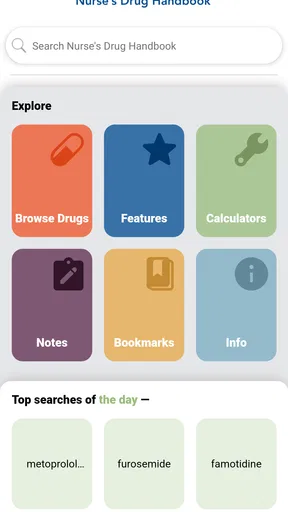
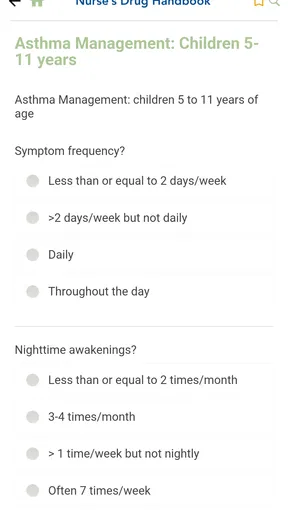
Let’s talk about the first thing you notice: the user interface. The Nurse's Drug Handbook app is sleek and intuitive, which is a fancy way of saying it’s easy to use. The design is clean, with a simple color scheme that doesn’t overwhelm you with information. It’s like they know you’re already stressed and don’t need more chaos on your screen!
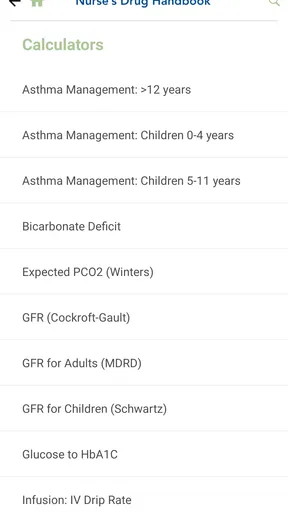
Navigation is a breeze. Everything is logically laid out, so you won’t be doing any mental gymnastics to find what you need. Just tap and go. It’s almost like the app anticipates what you’re looking for, which is super handy when you’re in a hurry.
Features That Stand Out
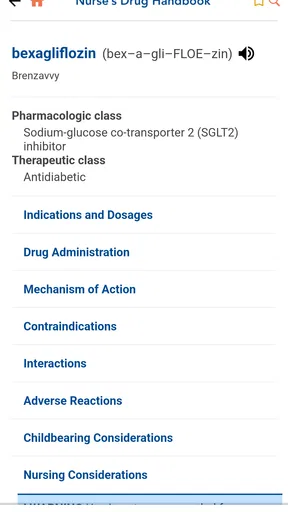
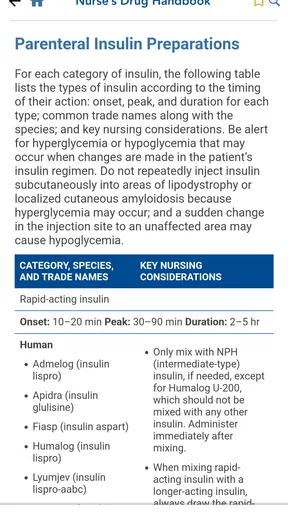
Now, onto the features. This app is packed with detailed drug information. We’re talking about comprehensive descriptions, dosage guidelines, and potential side effects. There’s even info on drug interactions, which is crucial for avoiding those nasty surprises. Just type in the name of a medication, and boom – all the info you need is right there.
One feature that I found particularly impressive is the search functionality. You can search by drug name, generic name, or even by condition. It’s like having a personal assistant filtering through all the data for you. Plus, it updates regularly, ensuring you’re always working with the most current information. No more outdated textbooks!
Worth Reading Before You Choose

EA SPORTS FC Mobile 26 Is a Bigger Football Game, but It Takes Time

Flipboard Shows What News Apps Must Do Beyond the Feed

Switching to Android Auto Means Rethinking Your Driving Routine

Google Calendar Makes a Crowded Week Easier to Manage

Ludo King Makes the Most of the Minutes Between Plans

Baby Panda World Brings Quick Play to Modern Phones, but Its Game Library Feels Busy
Using the reference carefully in a busy day
The multiple search routes can be useful when a name on a medication list does not match the term you first think to enter. I’d start with the generic name when I have it, then try the familiar drug name if the first search does not bring up the entry I expect. Searching by condition can help when I’m studying or trying to understand a treatment context, but I would not use that route to infer a patient’s prescription: similar conditions can involve very different medicines.
A practical workflow is to check the spelling, open the relevant entry, and read the surrounding details rather than stopping at a dosage line. Dose information depends on context, and the patient’s circumstances and the order still matter. For an unfamiliar medicine, I’d also pause to verify that I selected the intended drug and formulation before using anything I found. The app can help me locate reference material; it cannot confirm that a particular instruction is appropriate for a particular patient.
The Real Game-Changer: Offline Access
This is the part that really caught my attention: offline access. Yep, you read that right. You can download the content and access it even when you’re off the grid. So, if you’re working in a hospital basement with no Wi-Fi, you’re still covered. It’s a lifesaver (literally) when you’re in a pinch.
Because access to a medical reference can depend on the connection available at the time, I would not make an offline assumption when deciding whether to rely on the app. Before using it away from a network, I’d check what is actually available on my device and confirm that the material I need opens. If a page or search does not respond, I’d switch to an approved backup rather than repeatedly retrying while a patient is waiting.
Practical Use in Everyday Nursing
Imagine this: you’re in the middle of a busy shift, and a patient asks about a medication they’re taking. Instead of awkwardly fumbling through notes or a web search, you confidently pull up the Nurse's Drug Handbook app and provide them with accurate, reliable information. It’s a quick way to build trust and ensure patient safety.
In real use, I’d frame that moment as a chance to look up an explanation and then communicate it in plain language, not as a reason to answer beyond my role or skip a medication check. If a patient asks whether a dose should change, or raises a concern that needs clinical judgement, a reference entry is only one part of the response. I’d involve the appropriate clinician and use the relevant care process.
The app is most appealing to nursing students who want a portable companion to their coursework and to working nurses who need a drug reference close at hand. Its medical focus also makes it potentially useful to other healthcare professionals, provided it fits their responsibilities and reference needs. It is less suitable as a stand-alone tool for someone who needs formal prescribing support, a complete patient record, or a substitute for a pharmacist or clinician’s advice.
Compared with a textbook, a phone-based reference is easier to carry and search, while a textbook may be more comfortable for sustained study and broader context. A general web search can surface information quickly, but it can also leave the reader sorting through sources of varying quality. This handbook’s nursing focus gives it a more directed role; I’d still use authoritative workplace resources for decisions where a current local protocol or patient-specific review is required.
Choosing the right moment and setup
One useful habit is to practise a few searches when you are not rushed: a generic drug name, a familiar brand name, and a condition-based query. That lets you learn which wording works for your own workflow before a busy moment arrives. I’d also avoid keeping several lookalike entries open in my head; after a search, I would verify the exact name on the screen against the medicine being discussed.
For a student, the app may work best as a quick check after lectures, followed by deeper reading in course materials. For a nurse between tasks, it can be a convenient first stop when a question is straightforward and there is time to review the entry. But if the question is urgent, unusual, or dependent on a patient’s full clinical picture, another resource and a qualified colleague are the better choice.
There is a practical trade-off in keeping a drug reference on a personal phone: it is always nearby, but a phone can also be distracting in a clinical setting. I’d use it deliberately, keep attention on the patient, and follow workplace rules about device use and information handling. The handbook should support a careful conversation, not turn a bedside interaction into a screen-only exchange.
Some Final Thoughts
In today’s fast-paced healthcare environment, having immediate access to drug information is vital. The Nurse's Drug Handbook app offers a perfect blend of convenience and reliability. While no app can replace the depth of a textbook, this one sure comes close. It’s like having a trusted colleague by your side, whispering the right answers just when you need them.
AtmosphereApps makes this free medical app, which is rated for Everyone and has a 4.0 average from around 2.5 thousand ratings. It has passed 100 thousand installs, and its current version is 3.6.1.776; in-app purchases range from $9.99 to $24.99 per item. I’d consider those purchases only after trying the basic experience and deciding whether the available reference suits my needs. The app was released on February 20, 2015, and requires Android 8.0 or later, so checking device compatibility is a sensible first step.
If you’re in the healthcare field and haven’t given this app a try, I’d say it’s worth checking out. Download it, explore its features, and see how it can make your workday just a little bit easier. Trust me, your future self will thank you!
My overall recommendation is a qualified one: this is a handy nursing reference for study and quick lookups, especially when you already know how you plan to verify important decisions. I would not choose it as my only source, nor rely on it to settle a patient-specific question on its own. For someone who wants drug information close at hand and is comfortable checking the details carefully, it can earn a useful place in a mobile toolkit.
Pros
- Comprehensive drug database.
- User-friendly interface.
- Offline access available.
- Regular updates enhance accuracy.
- Quick search functionality.
Cons
- Ads can be distracting.
- Limited customization options.
- No dark mode available.
- Occasional slow loading times.
- Requires registration for full access.
FAQs for Nurse's Drug Handbook
What is the primary purpose of the Nurse's Drug Handbook app?
The Nurse's Drug Handbook app serves as a comprehensive resource for nurses and healthcare professionals, providing detailed information about various medications. It includes dosage guidelines, side effects, interactions, and contraindications, ensuring that nurses have quick and reliable access to drug information in clinical settings.
How user-friendly is the Nurse's Drug Handbook app for daily use?
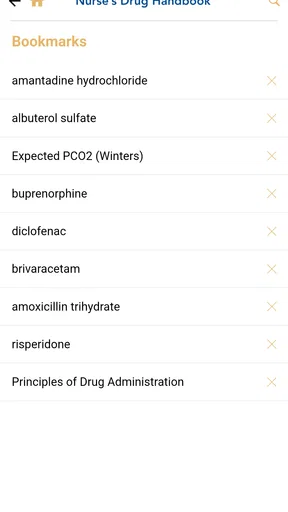
The app is designed with an intuitive interface that allows easy navigation through its extensive database. It features categorized searches, bookmarking options, and regular updates, making it highly user-friendly for daily use by nurses who need quick access to drug information during their shifts.
Does the Nurse's Drug Handbook app require an internet connection to function?
The app primarily operates offline, allowing users to access essential drug information without the need for an internet connection. However, periodic updates may require internet access to ensure the database remains current with the latest drug information and clinical guidelines.
How frequently is the information in the Nurse's Drug Handbook app updated?
The app is regularly updated to reflect the latest in pharmaceutical research, new drug releases, and changes in clinical guidelines. Users can expect updates several times a year, ensuring that the information remains accurate and up-to-date for clinical decision-making.
Is the Nurse's Drug Handbook app suitable for students or only for practicing professionals?
The Nurse's Drug Handbook app is suitable for both nursing students and practicing professionals. Students can benefit from its comprehensive drug details and educational resources, while practicing nurses can use it as a quick reference tool in clinical environments to enhance patient care.


